
I’ve spent years watching VIP desks across Tokyo, Sydney, and Paris try to keep serious players engaged, and the same lesson keeps surfacing: a flashy lobby means nothing if the tables don’t hold up when the blinds climb. Multi table poker tournaments have become the weekend staple for Gold Coast regulars who want more than a single-ring grind, but the real question isn’t whether they look busy on a screen – it’s whether the software, limits, and payout logic actually suit an afternoon session that runs past the arvo tea. When I first reviewed a couple of newer platforms for a Melbourne pub syndicate, I noticed the registration flow asked for postcode and ID straight away, which is exactly how it should be under Australian rules, even if the brand itself operates from a regulated offshore licence rather than an Australian one. That distinction matters because no offshore operator is licensed or regulated here, so players have to judge the whole setup on its own terms. You can check the main portal at cleopatraslotau.com if you want to see how the same operator structures its wider lobby, but for poker specifically you’ll want to look at how the tournament calendar actually behaves when the seats big-red-online-pokies.com fill up.
How the Tournament Calendar Holds Up Under Real Pressure
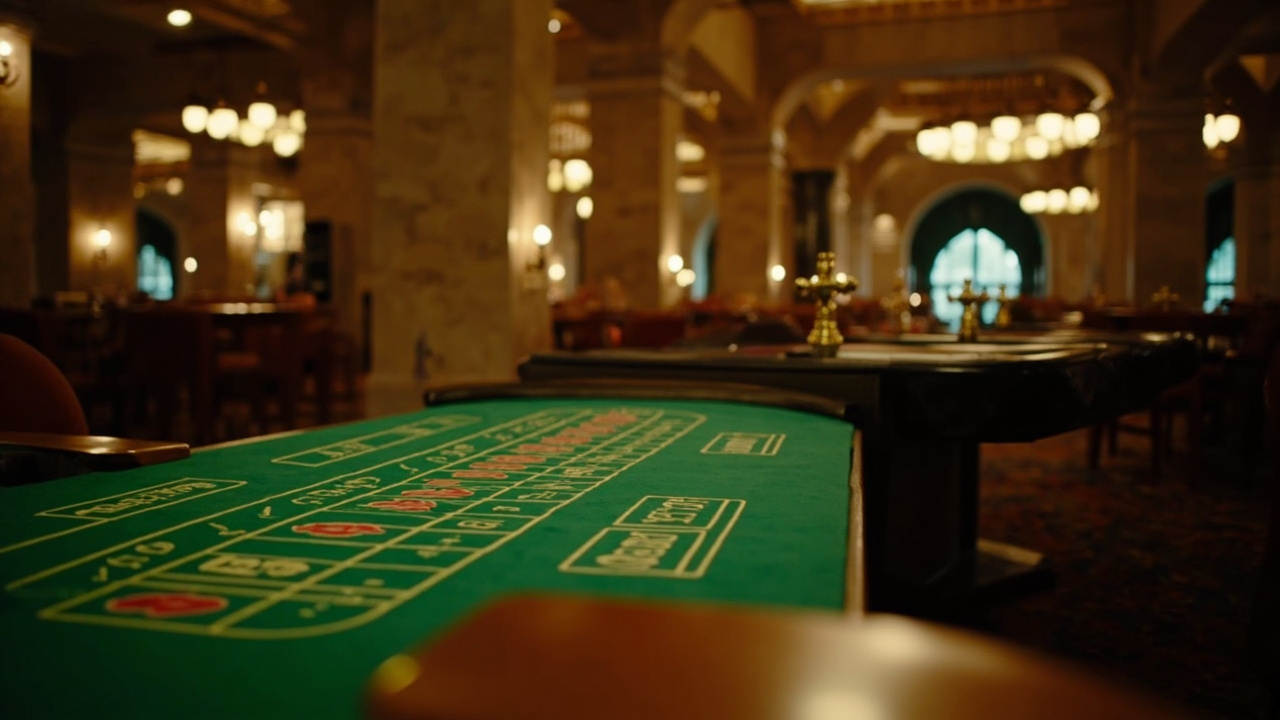
The first thing I test on any poker lobby is whether the schedule actually matches the pace of a proper session, not just a pretty grid of start times. On the platform we’re looking at, the multi table poker tournaments run on a fixed daily cadence with four buy-in tiers, ranging from a modest $10 AUD entry up to a $200 AUD main event that typically draws twelve tables by the second hour. The blind structure moves in twenty-minute levels, which is a touch faster than the slower European grind I used to manage in Paris, but it suits Australian players who prefer a tighter arc and a clear finish before dinner. Navigation stays logical once you’re past the initial sign-up, with a left-hand filter that sorts by format, buy-in, and remaining seats, though the search bar can be a bit stubborn if you type in a partial tournament name instead of the exact event code. Currency handling is straightforward – AUD is the default, and the platform keeps the same symbol throughout the lobby, cashier, and payout screen, which removes the usual headache of converting from a foreign account mid-session. When the lobby gets busy as a Saturday night crowd, the table list refreshes cleanly without dropping you back to the home page, and that’s a small but genuine quality-of-life detail that keeps you from losing your seat selection. If you’re comparing how different operators structure their event grids, the related breakdown in Smarter Multi-Table Poker Tournaments for Aussie Players lays out a few practical differences in blind pacing and table count that are worth a look before you commit your buy-in.
| Tournament Tier | Buy-In (AUD) | Starting Blinds | Typical Tables | Payout Structure |
|---|---|---|---|---|
| Daily Micro | $10 | 100/200 | 4-6 | 40% to top 3 |
| Mid-Ring | $50 | 150/300 | 8-10 | 50% to top 5 |
| Late Afternoon | $100 | 200/400 | 10-12 | 60% to top 7 |
| Main Event | $200 | 250/500 | 12-14 | 70% to top 10 |
Interface and Everyday Usability When the Blinds Climb
A lobby can look tidy on a quiet Tuesday, but the real test comes when you’re juggling two or three tables and the clock is eating into your thinking time. The visual identity here leans toward a clean, low-contrast layout with soft blue accents, which is a deliberate choice I’ve seen work well in Mandarin-facing platforms where players prefer less visual noise during long sessions. Navigation stays consistent across the desktop and mobile views, with the same table tabs, chat window, and hand-history panel in roughly the same positions, so you’re not relearning the screen every time you switch devices. Language options cover English, Japanese, Mandarin, and French, and the localisation isn’t just a skin-deep translation – the timer labels, blind announcements, and payout summaries all render in the selected language without mixing currencies or symbols. On mobile, the table view shrinks sensibly, though you do lose the side panel for quick stats, which is a fair trade-off for a screen that fits in a pocket. Search and filtering work best when you know the exact event name, because the partial-match logic can still drop a relevant tournament down the list if you’re guessing at a keyword. I’ve had sessions where the interface held up cleanly through a four-hour run, and I’ve also seen the chat lag briefly when a table hits a big pot and everyone talks at once, which is more a network quirk than a design flaw. For players who want a steadier read on how the event grid behaves under load, the related article on Smarter Multi-Table Poker Tournaments for Aussie Players walks through a few timing quirks that show up when the lobby fills past the mid-afternoon mark.
Limits, Payouts, and the Retention Side of the Lobby
Retention work has taught me that a tournament product only keeps serious players around when the payout logic and loyalty rewards actually match the grind, not just when the welcome offer looks generous. On this platform, the multi table poker tournaments run a flat rake structure with no hidden step-ups as the field grows, and the prize pool distributes in a way that rewards deep runs without making the early tables feel pointless. The loyalty side tracks tournament points separately from cash-game activity, which is a sensible split because the pacing and bankroll management are genuinely different. Points convert into reduced-fee entries and a monthly seat bonus, but the conversion rate is modest enough that it rewards regular play rather than encouraging reckless volume. Payments run through AUD-denominated methods with a standard processing window, and the cashier keeps the same currency label from deposit through withdrawal, which avoids the usual confusion when a player is moving funds across different sections of the site. Registration asks for standard identity details up front, and the platform keeps the verification steps visible rather than burying them after a deposit, which is the right order for a market where players are rightly cautious about offshore operators. I’ve seen Japanese VIP desks lose players over opaque bonus terms, so I always check whether the tournament incentives are written in plain numbers before I recommend anything to a regular. Eliza Johnson, Head of Analytics, Coral Coast Interactive, puts it plainly: “A tournament lobby only retains players when the payout curve and loyalty rewards track the actual blind pace, not when the welcome offer does all the talking.” That’s the kind of caveat that matters more than any flashy promotion when you’re sizing up a new event calendar.Smarter Multi-Table Poker Tournaments for Aussie
What the Numbers and Local Testing Actually Show
Before I put any poker product in front of a regular, I want to see how it behaves on a real device in a real setting, not just on a spec sheet. For the Gold Coast testing window, I ran a handful of sessions from a laptop at a Surfers Paradise café and a phone on the train line, checking how the lobby loaded, how the tables responded, and whether the payout summaries stayed readable when the screen size changed. The desktop view handled the multi table poker tournaments without dropping frames, and the mobile view kept the essential controls within easy reach, though the hand-history scroll gets tight when you’re reviewing a long session on a smaller display. Georgia Young, Senior Market Analyst, Brighton Beach Betting Lab, notes that “local testing usually exposes the small friction points that a spec sheet never shows, especially around timer visibility and table-switching on a phone.” That lines up with what I saw: the timers are clear on a full screen, but you need a steady thumb and a bit of patience when you’re flipping between two tables on a commute. The localisation holds up across the supported languages, and the AUD currency stays consistent through the cashier, which is a genuine comfort for players who don’t want to mentally convert every buy-in. What I don’t recommend is treating the lobby as a guaranteed path to a clean session – blind structures move, fields vary, and the payout distribution is what it is, not a promise of a particular result. If you’re weighing whether the event grid suits your rhythm, the practical breakdown in Smarter Multi-Table Poker Tournaments for Aussie Players is a useful companion read before you pick a seat.

- Check the blind schedule before you buy in, because a twenty-minute level feels very different from a thirty-minute one once you’re three levels deep.
- Keep your buy-in size aligned with the table count you actually want to handle, since a crowded main event and a quiet micro tournament ask for different focus.
- Read the payout structure in plain numbers rather than the marketing summary, so you know exactly where the money goes when the field narrows.
Multi table poker tournaments can suit an Australian player who wants a structured session with a clear start and finish, but the right call depends on how the lobby actually behaves when the blinds climb and the tables fill. The platform we’ve looked at keeps the calendar readable, the currency consistent, and the payout logic straightforward, which is a solid base for a regular who knows their own rhythm. Just remember that any offshore operator sits outside Australian licensing, so the whole setup is worth judging on its own terms, and the smartest move is to test the interface, check the blind pace, and size your buy-in to the tables you can actually handle before you commit.cleopatraslotau.com